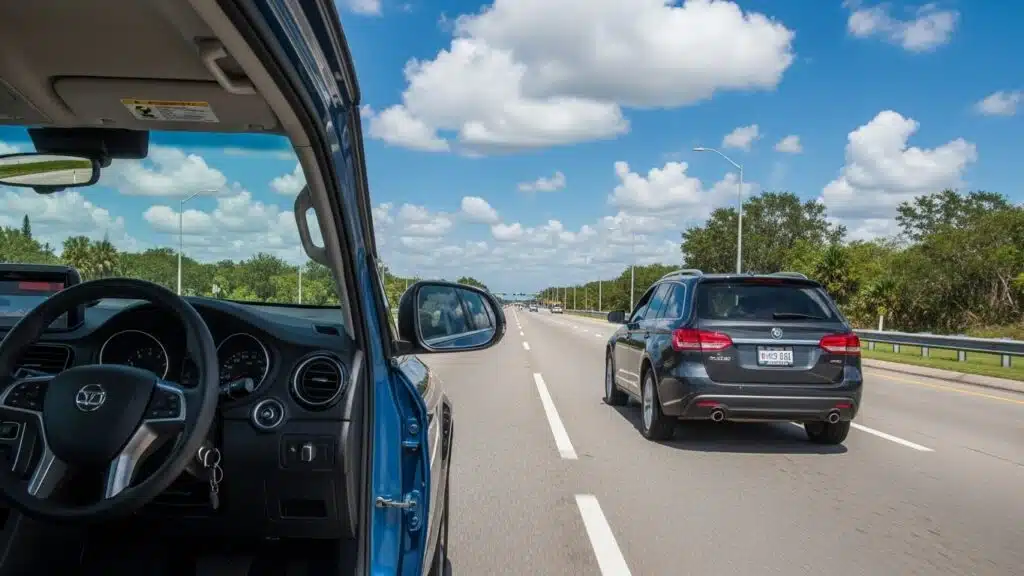
Key Highlights
- Florida is a no-touch, hands-free state. While drivers are driving, they cannot hold or respond manually to text messages (or text a response). Violation of this rule can result in fines, points on licenses and liability through car accidents.
- In addition to these restrictions for operating a vehicle, there is also a statewide prohibition against texting while driving.
- Law enforcement may pull over drivers who are using their phones and/or texting while driving in and around school and work zones.
- Across Florida, distracted drivers are still responsible for the largest number of accidents that result in serious injuries.
- If you’ve been involved in an accident as a result of a distracted driver, call Alpha Law Group and we will represent you and protect your rights. We will also help you recover damages from the distracted driver.
What Is the No Touch Law in Florida?
Many drivers in Florida may be shocked to find out just how quickly a simple glance at their phone could lead to a ticket, higher insurance rates, or even being held liable in court after being involved in an accident. The act of simply “checking directions” or “responding to a text when at a stoplight” could actually be considered a violation of the no-touch law in Florida, resulting in fines and points being added to your license, and if someone gets injured, you may be liable for damages. Distracted driving enforcement is increasing throughout the state, especially on major highways, and the number of distracted driving citations continues to increase rapidly.
I, Alex J. Kompothecras an attorney with experience representing injuries due to distracted driving throughout Florida. A lot of my clients fail to understand that even a small distraction such as checking your phone for a moment while sitting at a stop sign, can lead to you being legally liable for an accident. This misconception is widespread, and it can have serious consequences. Additionally, many drivers don’t know that the State of Florida takes the enforceability of its “hands-free” law very seriously until it is too late.
The goal of the Alpha Law Group is to educate people about the No Touch Law Florida. Understanding how it relates to fault, accident priorities and injury cases will help in either defending against a citation or supporting an injured party from a distracted driver, as well as everything that comes in between. Our guide provides an overview of what the Florida No Touch Law states, why it was enacted and the potential impact on your rights following an accident.
What Does the No Touch Law Mean in Florida?
The “No Touch” law in Florida, also known as the “Hands Free Law’, prohibits drivers from using any form of hand-held electronic device while operating a motor vehicle. This applies to all locations and situations, which include but are not limited to red lights, stop signs, and heavy traffic. A person can only use their phone by using voice commands or by using a mounted, hands-free system such as Bluetooth.
Florida’s “no touch” law is intended to help keep all drivers’ hands, eyes and minds on the road as much as possible (i.e., removing distractions or distractions while driving). Even if it is illegal for drivers to drink alcohol or take illegal drugs while driving, the driver faces many penalties such as fines, points added to their driving record, and greater responsibility for any later accident that occurs as a result of the driver’s actions.
Key Aspects of Florida’s No Touch Law
- Prohibited Actions: A driver must not hold, tap or swipe a phone while operating a vehicle (including while on the phone, texting, entering GPS/navigation information, listening to music and using social media).
- When the Law Applies: You are prohibited from using your smartphone while driving or stopped at a stop sign, red light changing from red to green or in traffic with many vehicles.
- Allowed Actions: You may still use any hands-free devices (i.e., voice commands, Bluetooth, speakerphones, and mounting your phone on the dashboard) as long as you do not have to touch them.
- Purpose of the Law: The law is intended to decrease the number of accidents caused by visual, manual and cognitive distraction while driving and improve the overall safety of Florida roads.
States With No Touch or Hands-Free Laws
Many states have now enacted laws about no-touch or hands-free devices that will help prevent distracted drivers, including aggressive enforcement of these laws in Florida.
- Florida
- Georgia
- California
- New York
- Illinois
- Washington
- Several others nationwide
Florida is one of the no touch law states that have begun increasing enforcement of its no-touch laws at educational institutions and in construction areas, giving officers the authority to stop an individual for offending these laws.
Is Florida a No Touch State?
Yes. Florida is a hands-free, no touch law state.
According to Florida law, drivers must not manually operate, hold or type on a cellphone while they operate a motor vehicle. You may only use a cellphone via hands-free devices such as Bluetooth or via voice command.
Still think of Florida’s distracted driving law as “lenient”? It is NOT! Enforcement has therefore expanded, penalties have increased, and the number of citations issued for distracted driving continues to increase throughout the entire state of Florida.
The law applies to all drivers whether they are:
- Driving on city streets
- On Florida highways and interstates
- Passing through school or construction zones
What Is the No Touch Law in Florida?
The Florida statute §316.305 is the main reference point for the no touch phone law in Florida. It’s also called the texting-and-driving or hands free law.
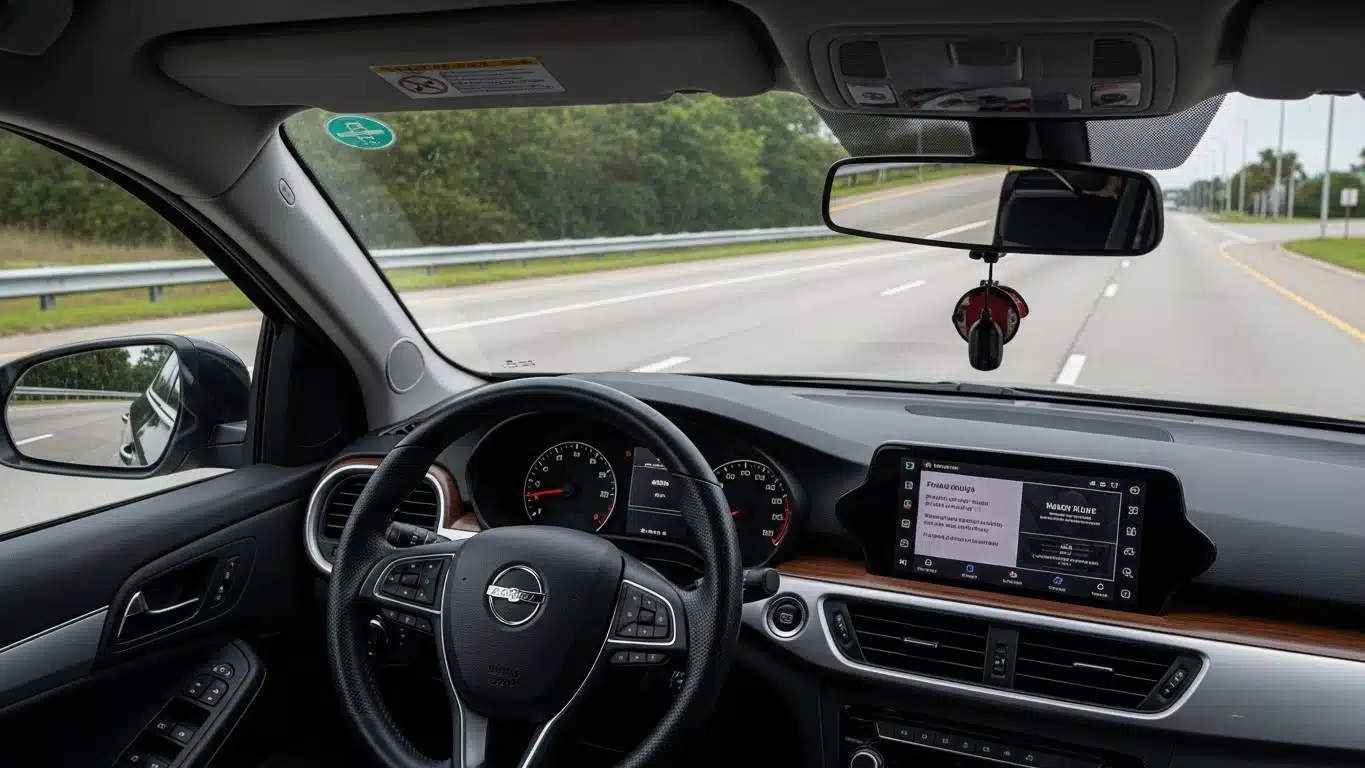
What Is the New Law in Florida About Phones?
In response to a major increase in the number of accidents being reported, the State of Florida has improved its ability to enforce the hands-free law through enhanced observance of the law.
The law outlines the following enforcement:
Primary and secondary enforcement
- During work and school zones, a violation of the use of phones is considered a primary offense, which means an officer can stop a driver for no other reason than a violation of this law.
- For almost all other roadways where a phone is used, a ticket is generally issued only in association with other violations; however, officers are reviewing tickets issued where a phone was the cause of the collision as the initial cause of the ticket.
Furthermore, this continued progress demonstrates an increasing awareness that distracted driving is as(just as) dangerous as impaired driving.
Is Texting and Driving Illegal in Florida?
Yes. Texting while driving is illegal statewide in Florida.
This includes:
- Sending texts
- Reading messages
- Typing emails
- Using messaging apps
According to research, drivers who were texting would lose concentration for an average of 5 seconds. Driving at freeway speeds means traveling approximately 1 football field in that time.
Distracted Driving Statistics in Florida: Why This Law Exists?
In Florida, distracted driving statistics continue to be one of the largest contributors to death rates on our roadways.
Statistical Information Regarding Distracted Driving in Florida
The Florida Department of Highway Safety and Motor Vehicles (FDHSMV) indicates that:
- Hundreds of thousands of crashes occur each year in Florida as a result of distracted driving
- Thousands of people sustain injuries every year
- Fatal accidents involving distraction are an ongoing fear across the state, particularly in urban counties
Growing tourism, density of traffic, and increasing numbers of people living in Florida create a greater chance for drivers to become distracted when operating their vehicles on Florida’s roads.
Common distractions include:
- Cell phone use
- GPS adjustments
- Eating or drinking
- Passengers
- In-car screens
Distracted Driving Impact in Florida (Recent Data Snapshot)
|
Category |
Annual Estimate |
|
Distracted driving crashes |
300,000+ |
|
Injury crashes |
Tens of thousands |
|
Fatal crashes |
Hundreds |
|
Phone-related citations |
Increasing yearly |
Which States Have No Touch Laws?
Florida is not alone. No Touch / Hands-Free Law States Include: Florida, Georgia, California, New York, Illinois, Washington, and many others.
What Is the Statute for a No Contact Order in Florida?
- No contact orders are applicable within Domestic Violence and Criminal cases.
- These laws have nothing to do with vehicle operation or cell phones.
- Florida Statute §316.305 regulates Distracted Driving; it does not govern No Contact Orders.
Case Study: Proving Distracted Driving Under Florida’s No Touch Law
By Attorney Alex J. Kompothecras, Alpha Law Group
A driver in Florida contacted our office after being hit from behind at a red light in Sarasota. The driver who caused the accident claimed that the accident was unavoidable and denied any fault. Our client later discovered that the driver who caused the accident was looking at their cell phone moments before the wreck occurred. Our client feared that the insurance company would contest liability and attempt to downplay their injuries.
Our objective was very straightforward: to establish that the other driver was distracted, protect our client against being placed at fault, and obtain full compensation for our client. We promptly gathered evidence, obtained cellular phone records, analysed traffic patterns, and obtained witness statements that supported our clients’ claim that the driver had been using their cell phone when they stopped.
Result
Florida’s no touch law was violated by the at-fault driver in this incident; therefore, we have established liability for damages as the insurance company accepted liability for the accident. Our client received full compensation for his/her medical expenses and lost wages, including pain and suffering, without extended litigation.
The use of Florida’s no touch law is extremely helpful to the injured party when filing an accident claim. By establishing distraction early in the process, the injured party has a much greater chance of receiving all that is owed to him/her.
Final Thoughts
Florida’s No-Touch Law for Cell Phone Use While Driving forbids a driver from touching or looking at a phone while driving. Although some people might think it is not a big deal to touch or look at their phones while driving, this small distraction could potentially create serious physical injuries or lead to legal action and a lifetime of financial hardships for the victim.
The lawyers at Alpha Law Group know how many people are affected by a distracted driver and have personally experienced the consequences. Therefore, if you are aware of what this law states, you can protect yourself, both in terms of your driving record and also protect your safety and your rights as well. If you have been injured by a distracted driver, educating yourself now can help you for years to come.
Call (941)-304-1500 today for a free consultation and get clear answers about your options.
Frequently Asked Questions
Is texting and driving illegal in Florida?
Yes. Texting while driving is an offense in Florida. It includes texting, reading, or any other type of messaging while stopped at a red light or similar place. This law was instituted to reduce accidents caused by distracted drivers.
Is Florida a hands free state?
Yes. It is illegal for a driver in Florida to hold a handheld device or use a hands-on device while operating a vehicle. Therefore, under Florida’s commission for distracted drivers, it is illegal for drivers to operate their vehicles with a phone in one hand.
Is Florida a no touch state?
Yes, Florida is a No Touch state. This means that drivers are prohibited from holding onto or manually using phones (i.e., tapping, scrolling, etc.) at any time while they are driving or sitting stationary in traffic.
What is the new law in Florida about phones?
Florida has expanded the enforcement of the state’s hands-free law to allow police to stop drivers directly for using their phones when they’re in a school zone and/or at work zones.
What is the statute for a no contact order in Florida?
There is no statute that pertains specifically to drivers regarding no contact orders; however, Florida’s statute for distracted driving is found under Fla. Stat. §316.305 and has nothing to do with no contact orders, which would be found under Florida’s criminal statutes.
Which states have the no touch law?
Many states have implemented hands-free or no-touch legislation in the hopes of reducing distracted driving crashes, such as Florida, Georgia, California, New York, Illinois, and Washington.

"*" indicates required fields